
Explore Amazing Destinations
Discover new places and plan your next adventure
Discover new places and plan your next adventure
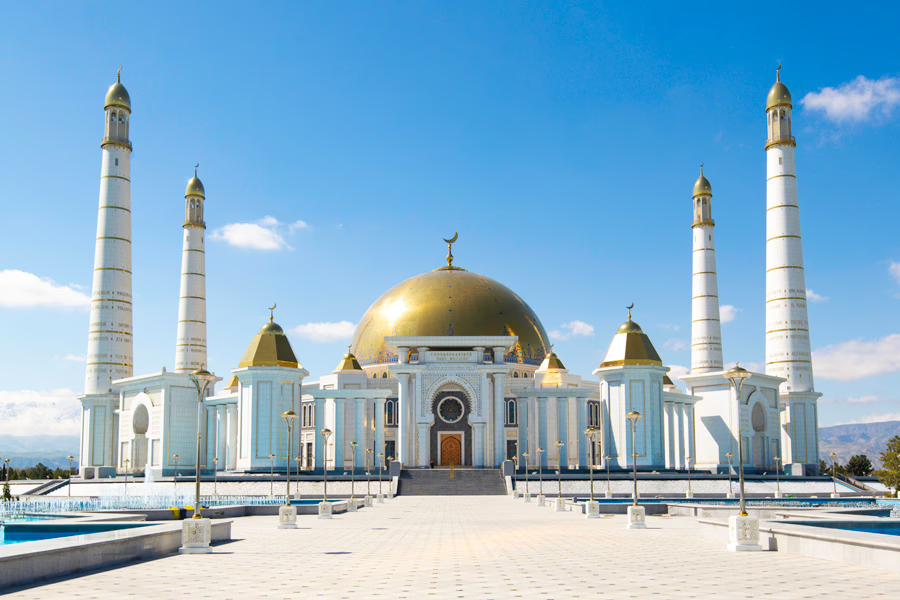
The Turkmenbashi Ruhy Mosque, also known as the Gypjak Mosque, is the largest mosque in Turkmenistan and one of the largest in Central Asia. Built in honor of Saparmurat Niyazov, the first President of Turkmenistan, it stands majestically in his native village of Gypjak, near Ashgabat. The mosque features a striking white marble exterior, golden domes, and a vast courtyard surrounded by fountains and gardens.
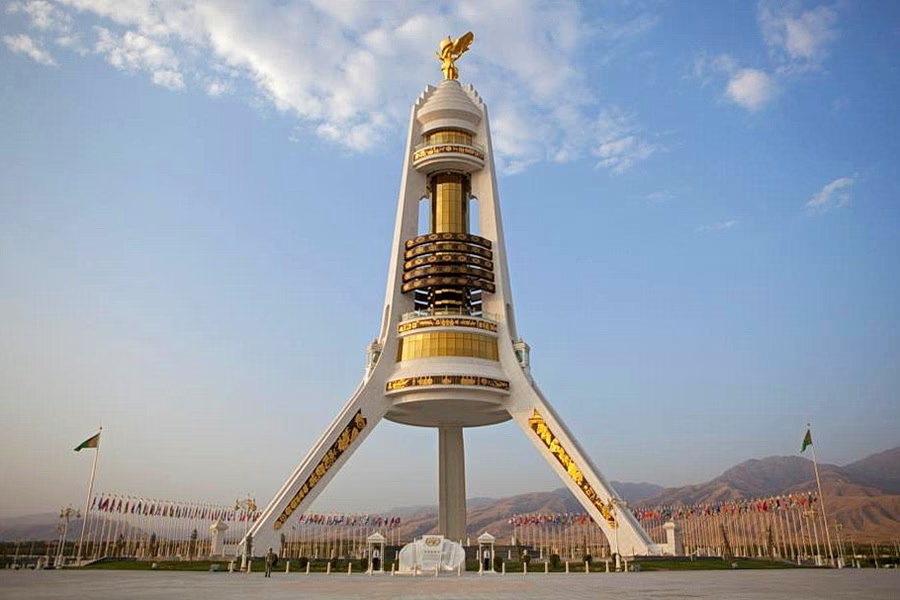
The Arch of Neutrality is one of the most distinctive symbols of modern Turkmenistan. Towering 95 meters above Ashgabat, it celebrates the country’s officially recognized status of permanent neutrality, granted by the United Nations in 1995. The monument features a three-legged structure symbolizing stability, peace, and progress, crowned by a gilded statue of the first President Saparmurat Niyazov, which originally rotated to face the sun.
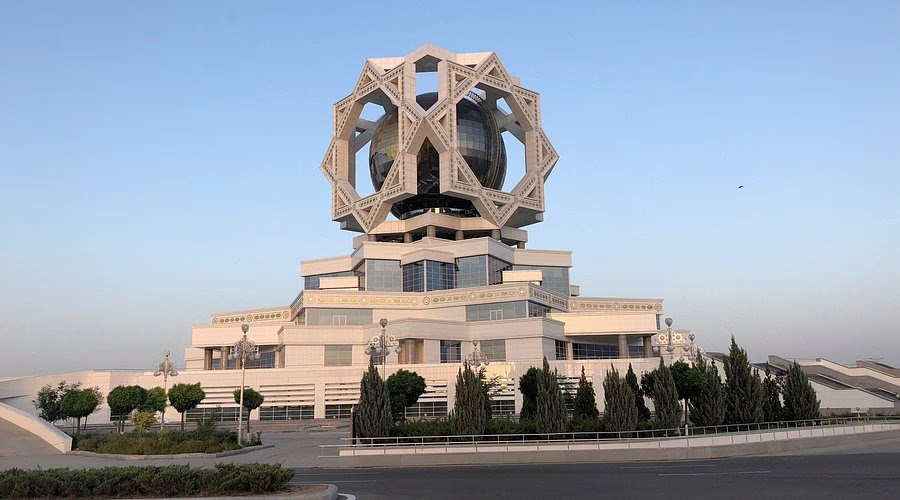
The Wedding Palace, known locally as Bagt Köşgi, is one of the most spectacular architectural landmarks in Ashgabat. Perched on a hill overlooking the city, the building dazzles with its white marble façade and unique design featuring a massive cube with an eight-pointed Turkmen star enclosing a golden globe — a symbol of love, unity, and eternity. The palace serves as a luxurious venue for wedding ceremonies and official receptions, combining modern style with national traditions.
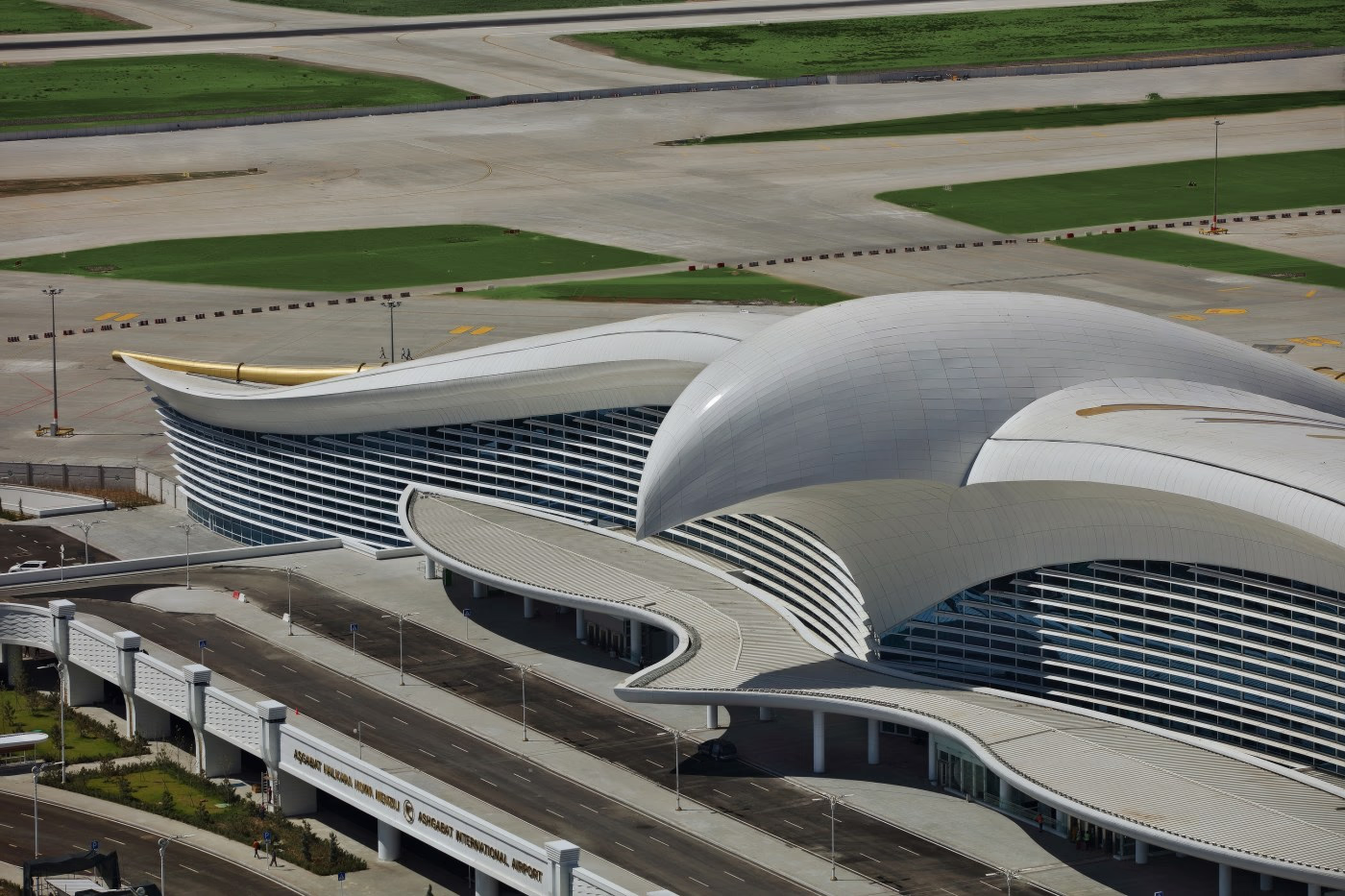
Ashgabat International Airport is the main gateway to Turkmenistan, located about 10 kilometers north of the capital’s center. The modern terminal, designed in the shape of a soaring falcon, opened in 2016 and can serve millions of passengers annually. The airport connects Turkmenistan with major cities in Europe, Asia, and the Middle East.
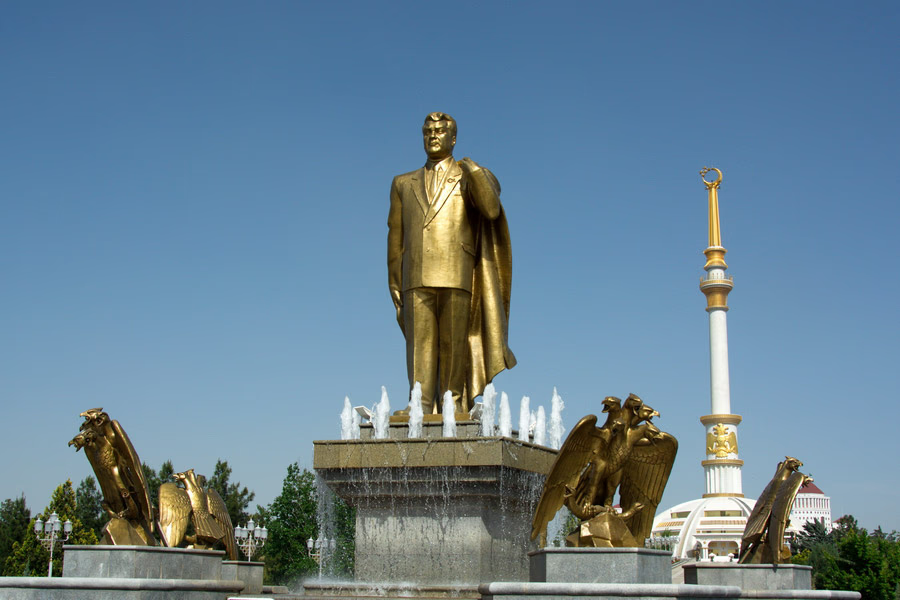
The Park of Independence is one of the most iconic landmarks of Ashgabat, symbolizing Turkmenistan’s sovereignty and national pride. Located in the southern part of the city, the park features wide alleys, green gardens, fountains, and monumental sculptures. At its center rises the Independence Monument, a white-marble column crowned with a golden crescent and five stars — representing the unity of Turkmen regions.
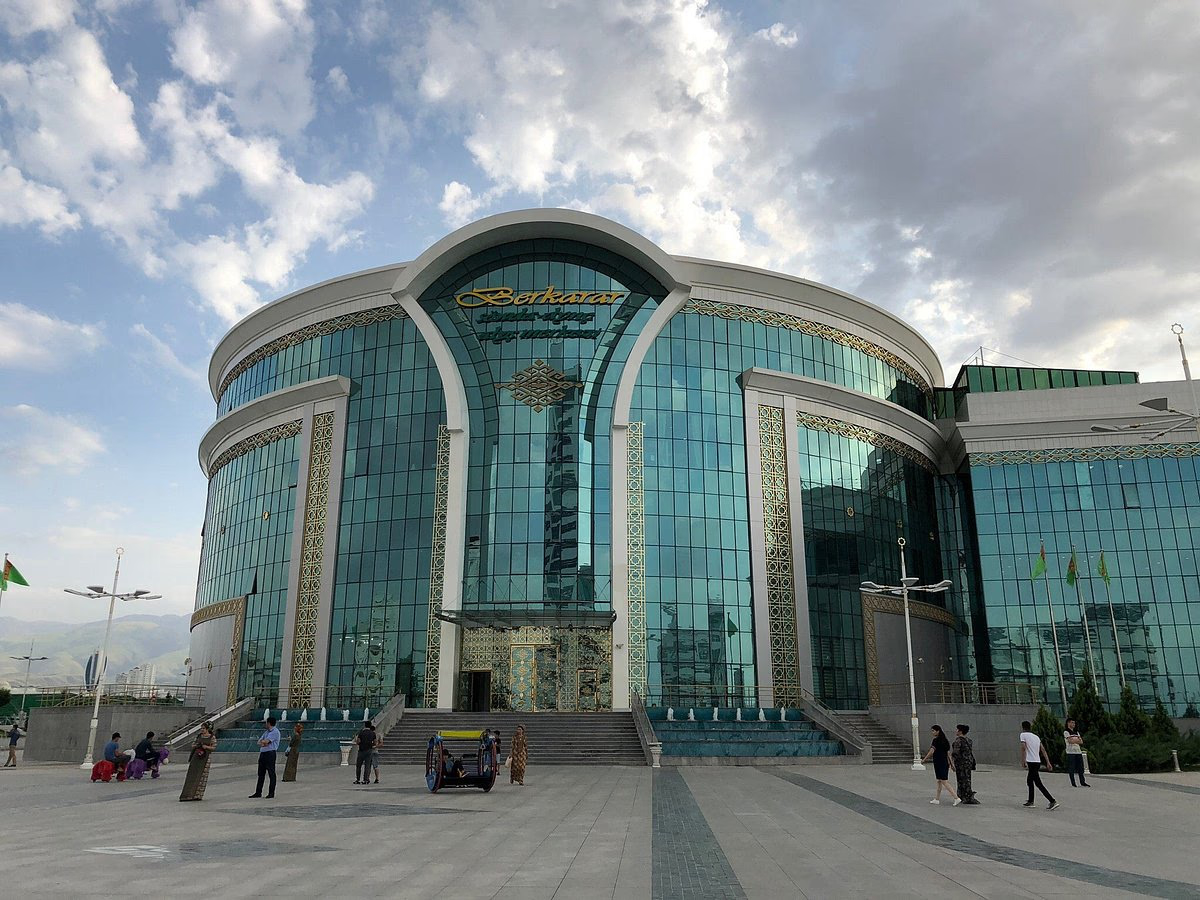
The Berkarar Shopping Center is the largest and most modern mall in Turkmenistan, located in the south of Ashgabat. Opened to the public as a symbol of the country’s rapid urban development, the mall offers a luxurious shopping and leisure experience under one roof. Inside, visitors can find international and local brand stores, cafés, restaurants, cinemas, a children’s play area, and entertainment zones. Its elegant architecture, spacious corridors, and sparkling interior design make it a popular destination for families and tourists alike.
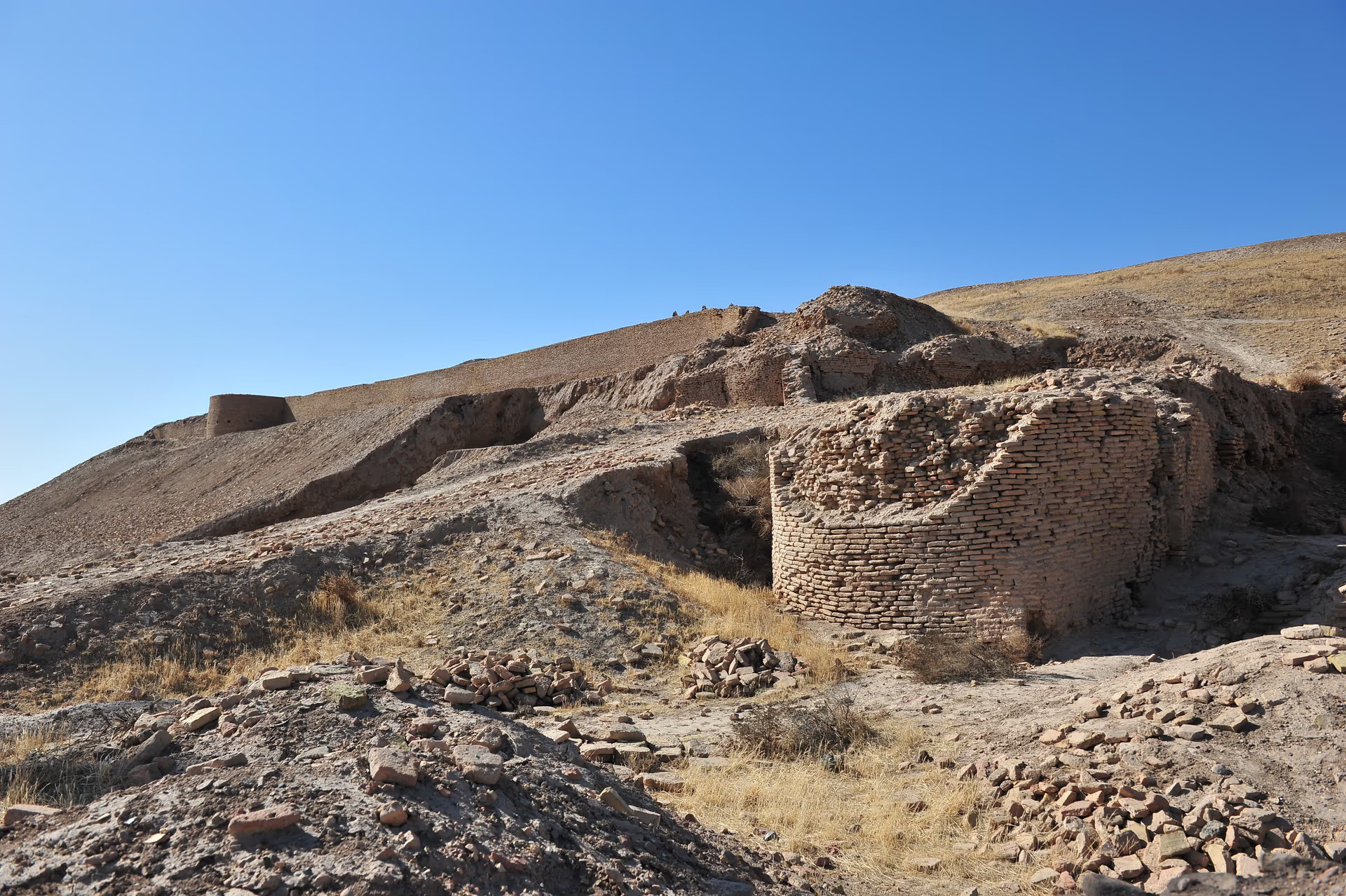
Köne Sarahs (Old Sarakhs) is one of Turkmenistan’s most significant archaeological and historical sites, dating back to the 6th–4th centuries BCE and continuously inhabited until the 19th century CE. It is located about 1.5 km east of modern Sarahs city, in the Ahal Region, near the border with Iran.
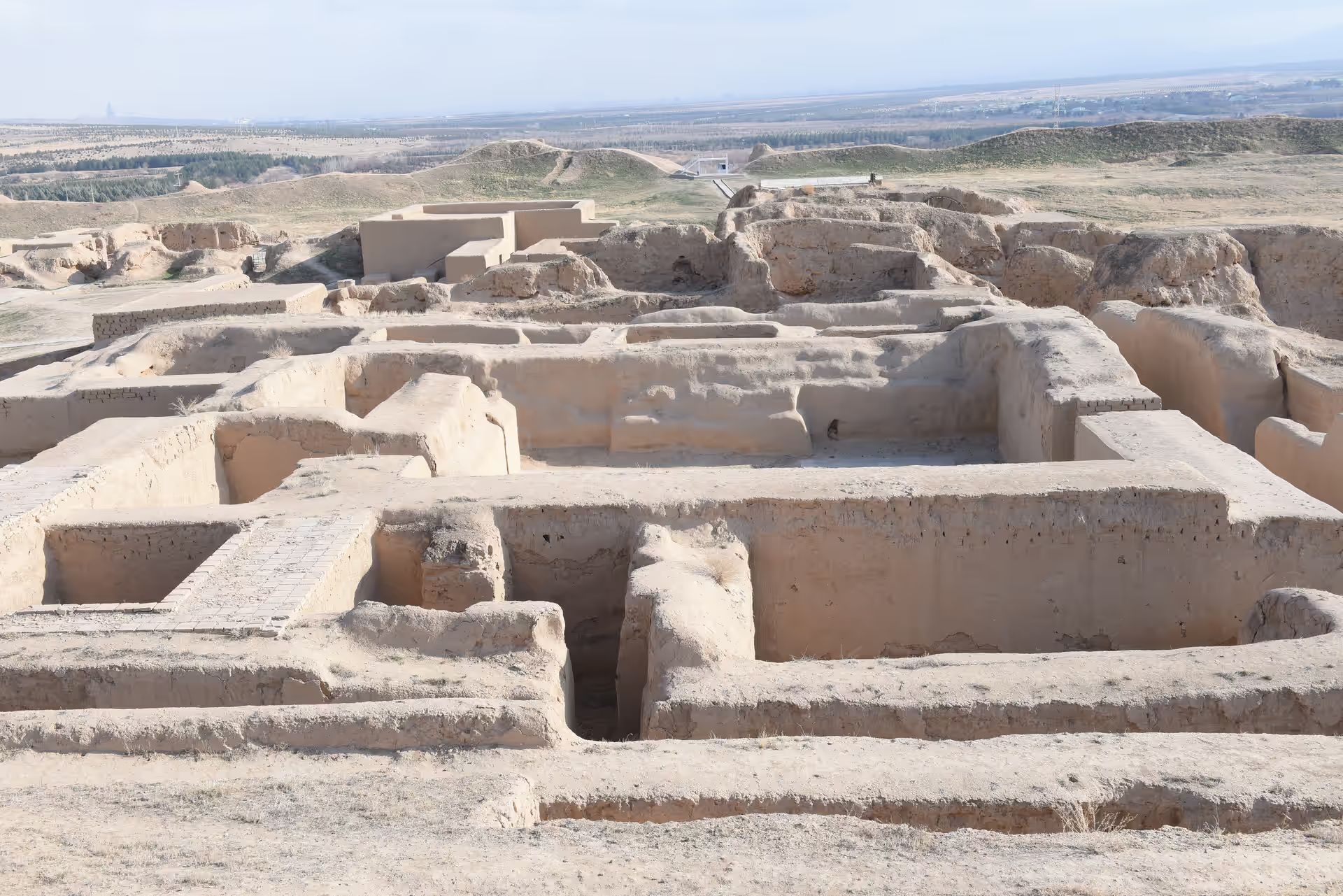
Nusai (also known as Nisa) is one of Turkmenistan’s most significant archaeological sites, located about 18 km west of Ashgabat, at the foothills of the Kopetdag Mountains in the Ahal Region. It was once the royal capital of the Parthian Empire, which flourished between the 3rd century BCE and the 3rd century CE.
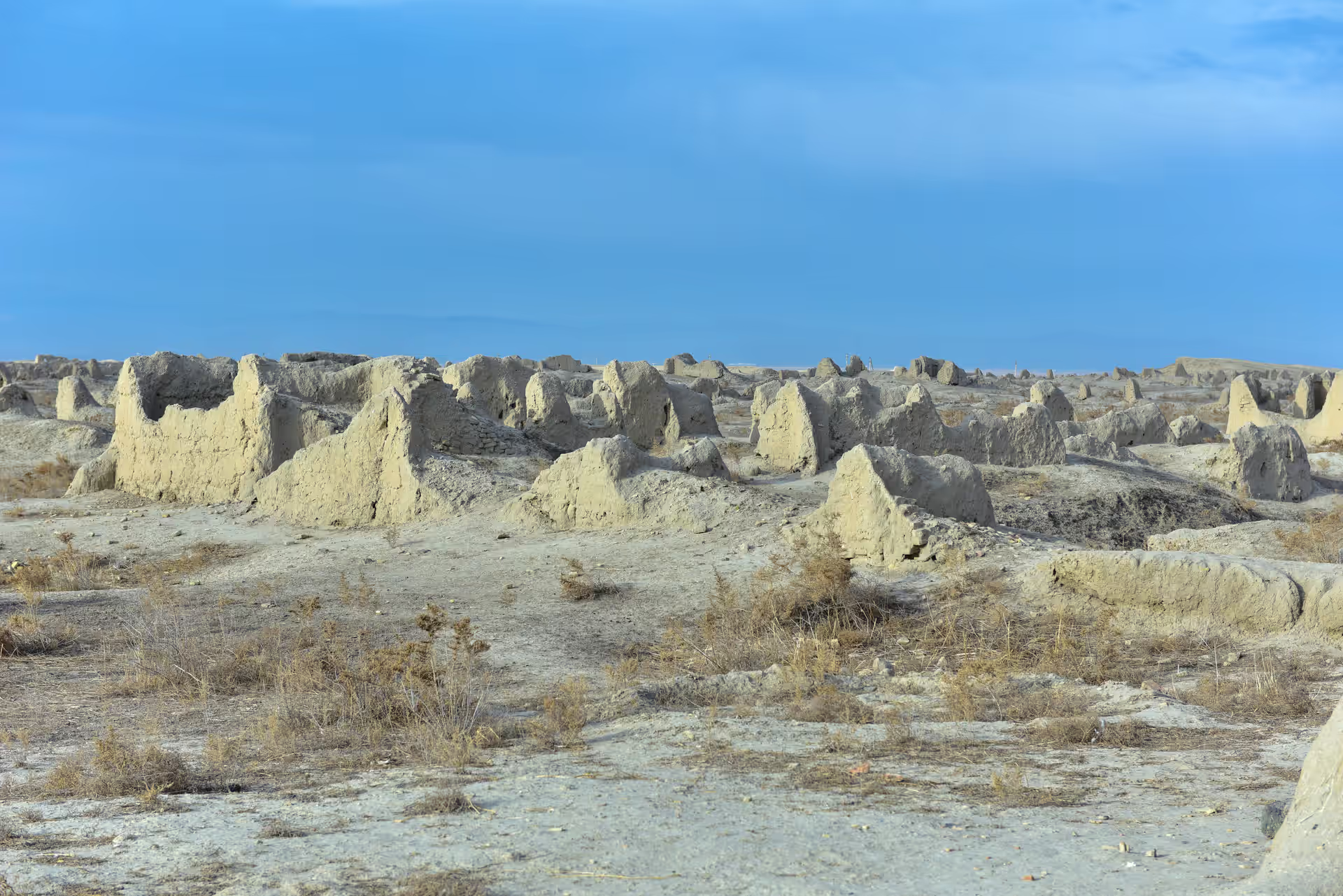
It was once a major trading and cultural center along the Silk Road, flourishing between the 9th and 15th centuries. Abiverd played a crucial role as a stop between Nisa and Merv, connecting Persia, Central Asia, and Khorasan.
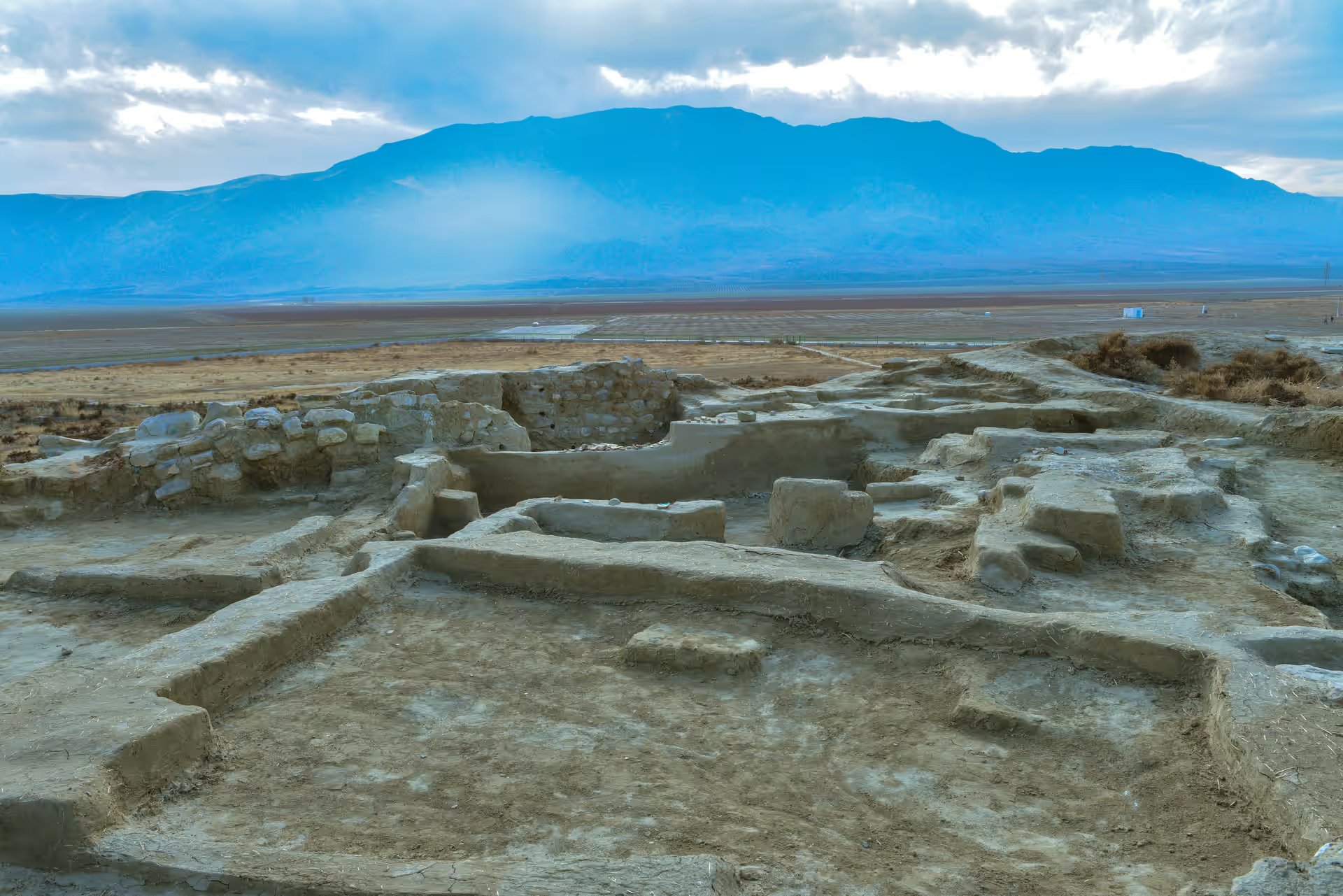
The ancient settlement of Parz-Depe, located about 12 km northwest of New Nisa, is one of the oldest archaeological sites in Ahal Region, Turkmenistan. The settlement consists of three main parts: the citadel, the shahristan (city), and the suburb.
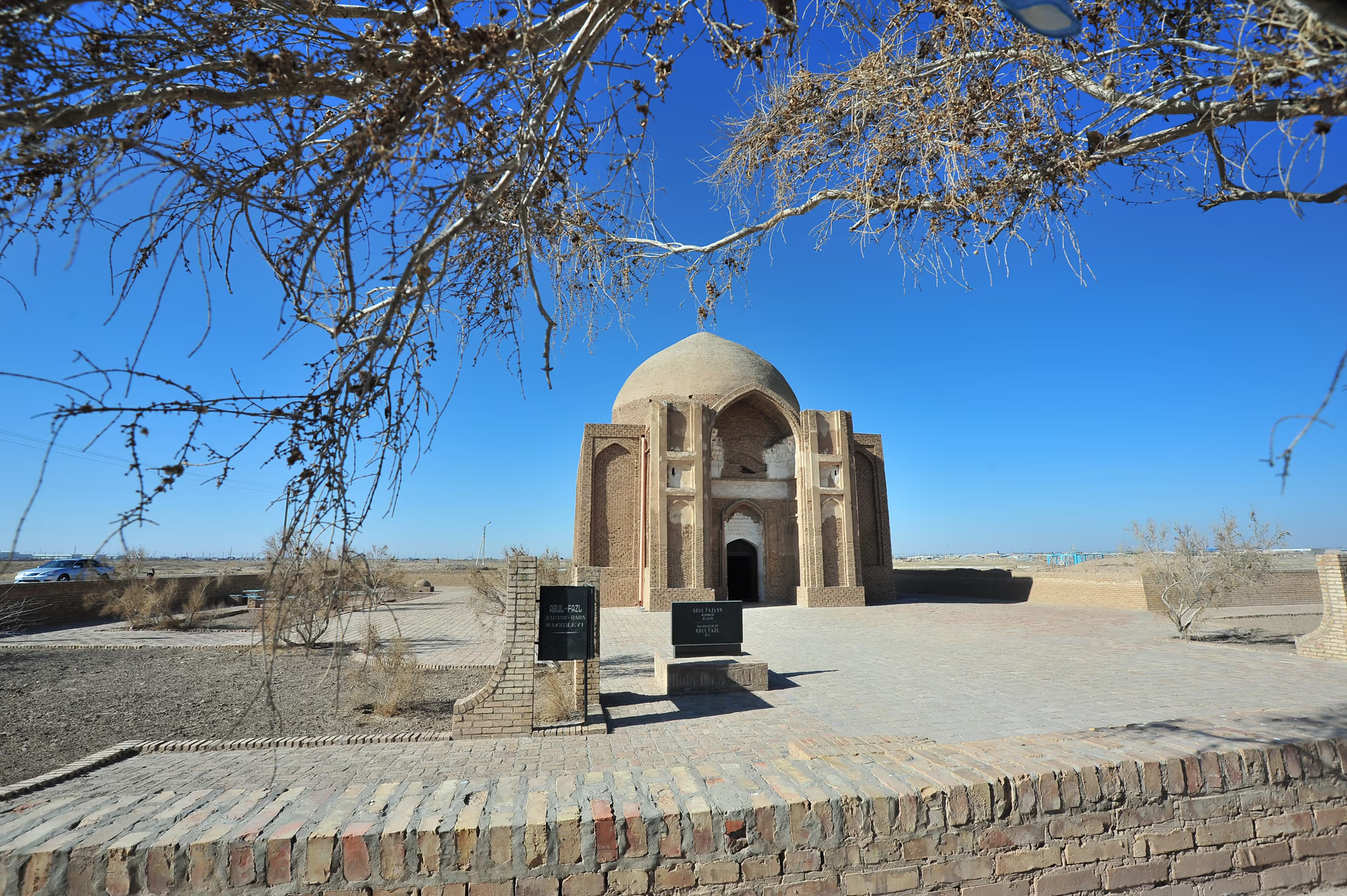
The Mausoleum of Abul Fazl Sarahsi, known with reverence as Sarahs Baba (“Father of Sarahs”), stands as a thousand-year-old monument of devotion and learning in the border city of Sarahs, in southern Turkmenistan, near the frontier with Iran. It is one of the key sites of the “Silk Road Monuments of Turkmenistan”, with Old Sarahs, the Mele Hairam temple, and other relics currently listed on the UNESCO Tentative World Heritage List.
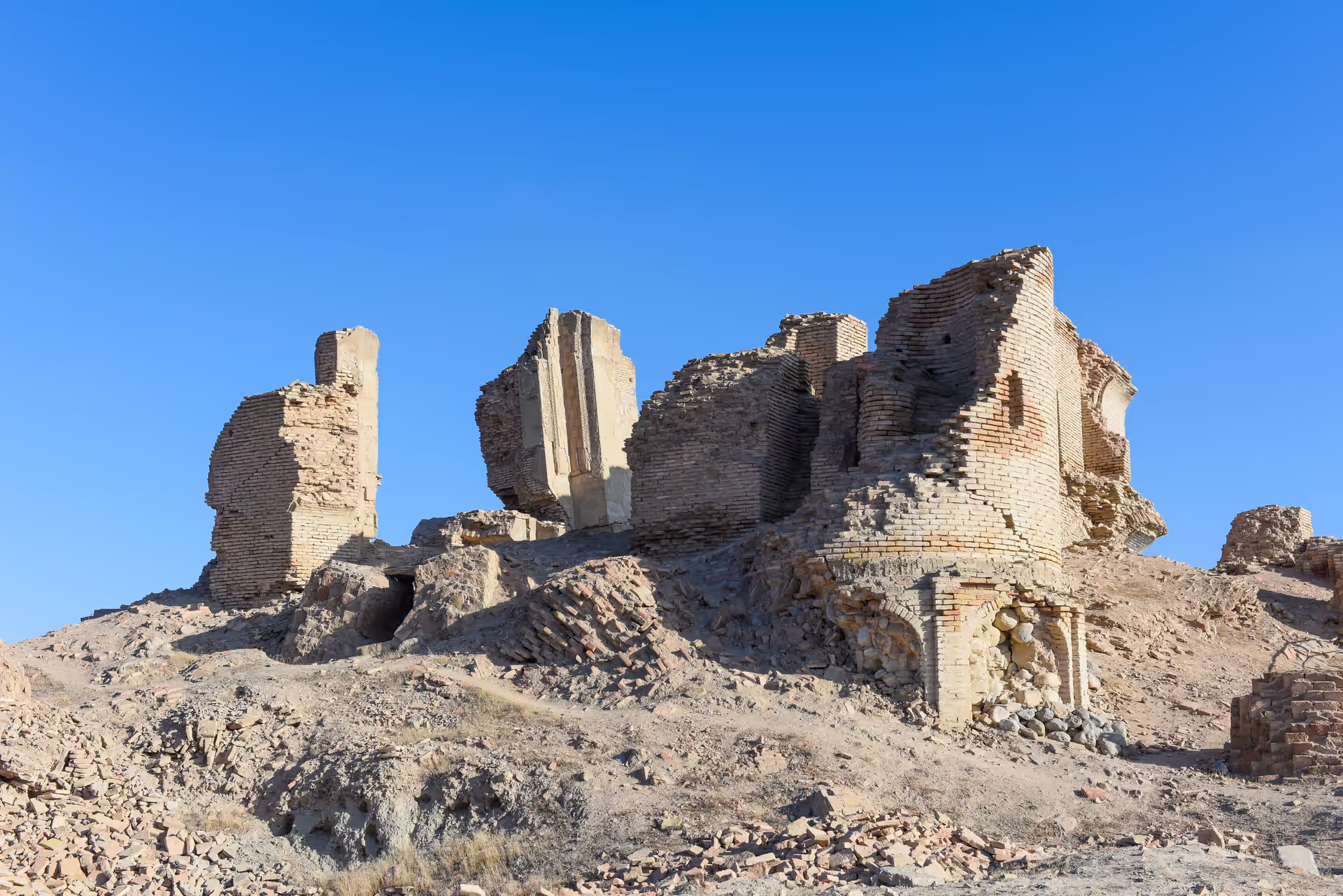
The Seyit Jemaleddin Mosque, also known as Seyit-Jemal ad-Din, is one of the most celebrated architectural monuments of Turkmenistan, reflecting the grace of Timurid art and the mystical heritage of medieval Khorasan. Built in 1456 during the reign of Abul Qasim Babur, a descendant of the Timurids in Khorasan, it remains one of the most significant examples of 15th-century Islamic architecture in the region. Getting There The mosque is located in Anau, about 12 km east of Ashgabat, along the Ashgabat–Mary highway. It can easily be reached by taxi or public transport from the capital.
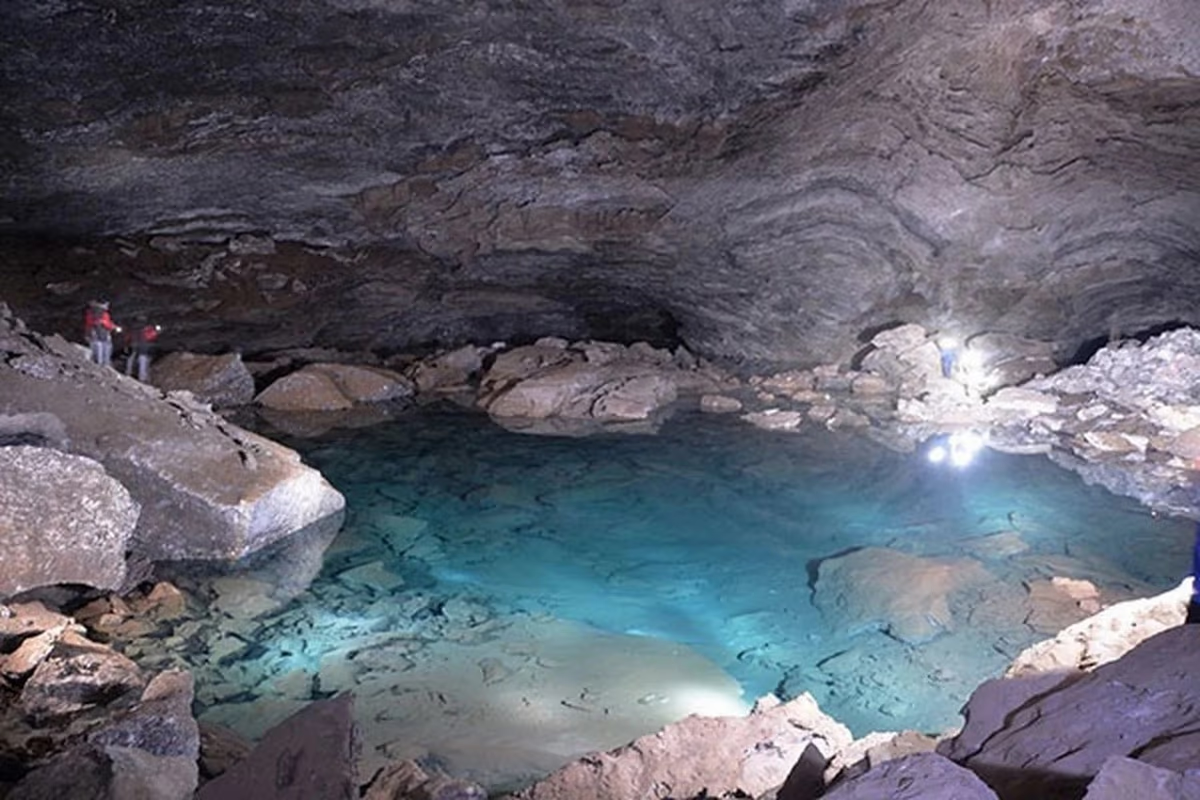
Kow-Ata Underground Lake is one of Turkmenistan’s most remarkable natural wonders, located near the village of Bäherden in the Ahal region, about 100 kilometers west of Ashgabat. Hidden inside a massive limestone cave, the lake is famous for its warm, turquoise water rich in minerals. With a year-round temperature of around +33°C, it is perfect for swimming and relaxation. The name “Kow-Ata” means “Father of Caves,” and the site attracts both tourists and locals for its beauty and healing qualities.
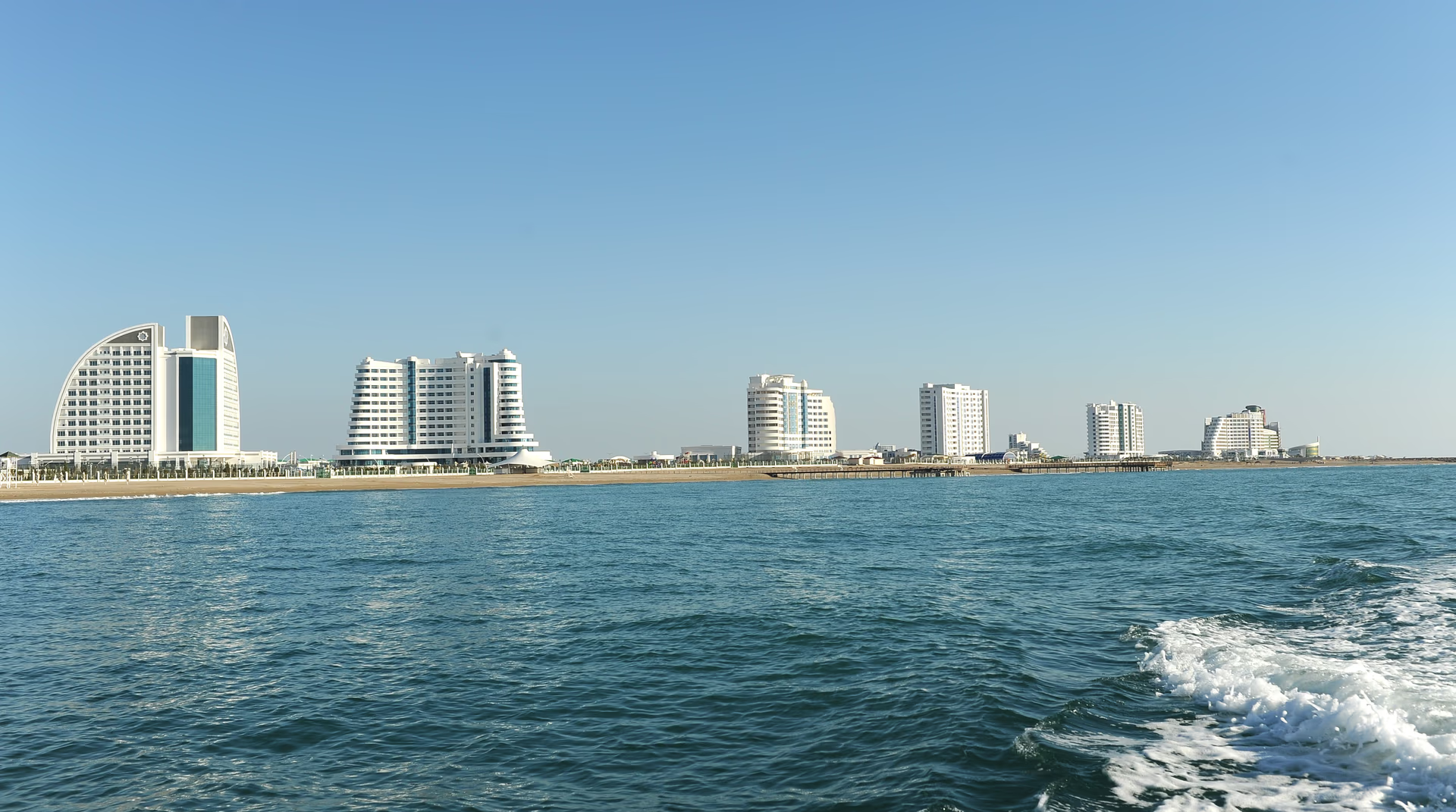
Awaza is Turkmenistan’s premier seaside resort zone, located on the eastern coast of the Caspian Sea, near the city of Türkmenbaşy in the Balkan Region. Originally a small fishing village, Awaza has been transformed into a modern tourist paradise, featuring luxurious hotels, a scenic embankment, amusement parks, and yacht clubs.
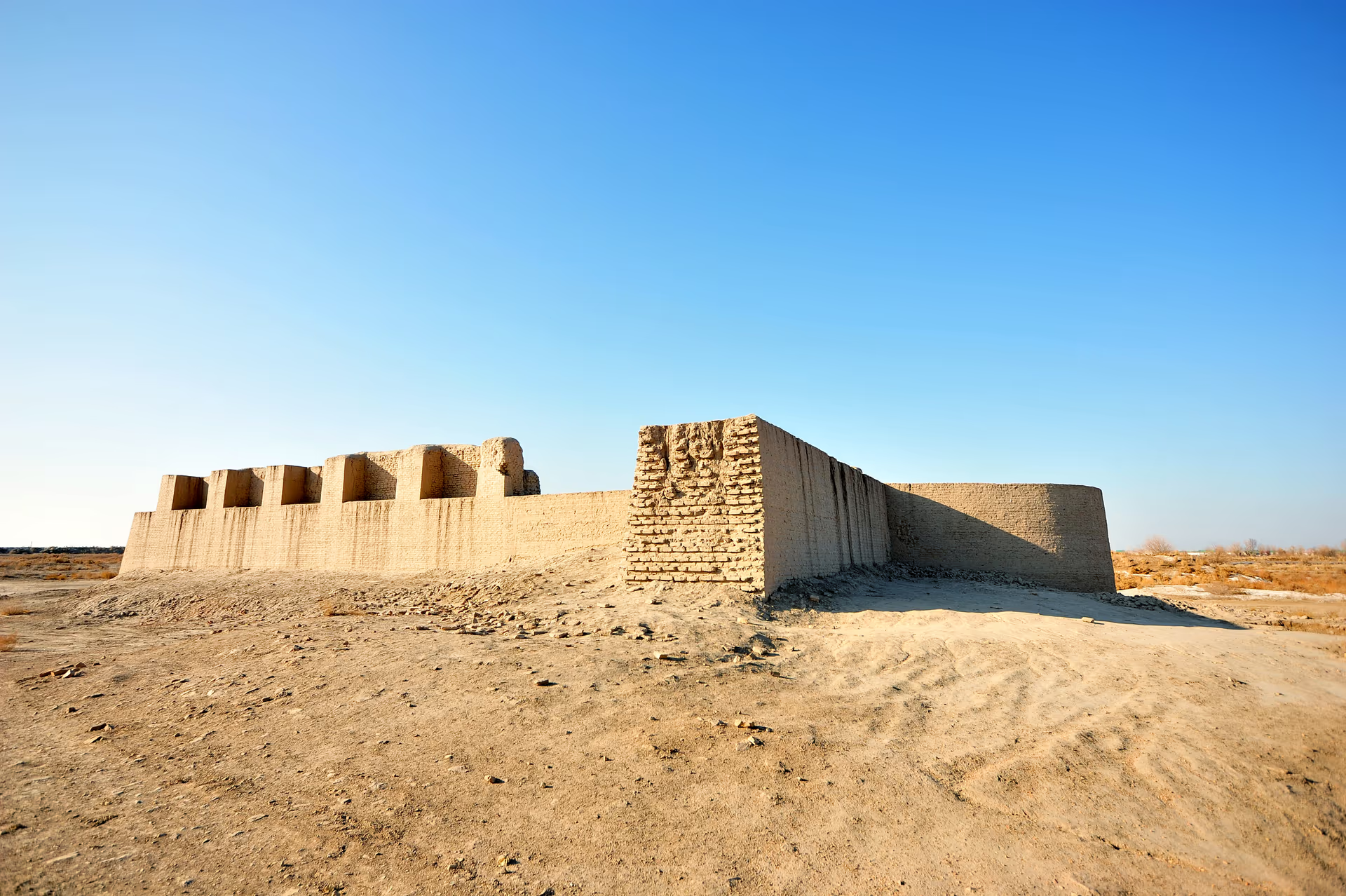
Ak Kala (“White Fortress”) is an ancient stronghold located within the Köneürgenç Historical and Cultural Museum-Reserve in the Dashoguz Region of Turkmenistan. It stands on the right (eastern) bank of the Daryalyk Channel — the old course of the Amu Darya River — about 3.2 km south-southeast of Kunya-Urgench city and roughly 30 km southeast of Saparmurat Turkmenbashi village.
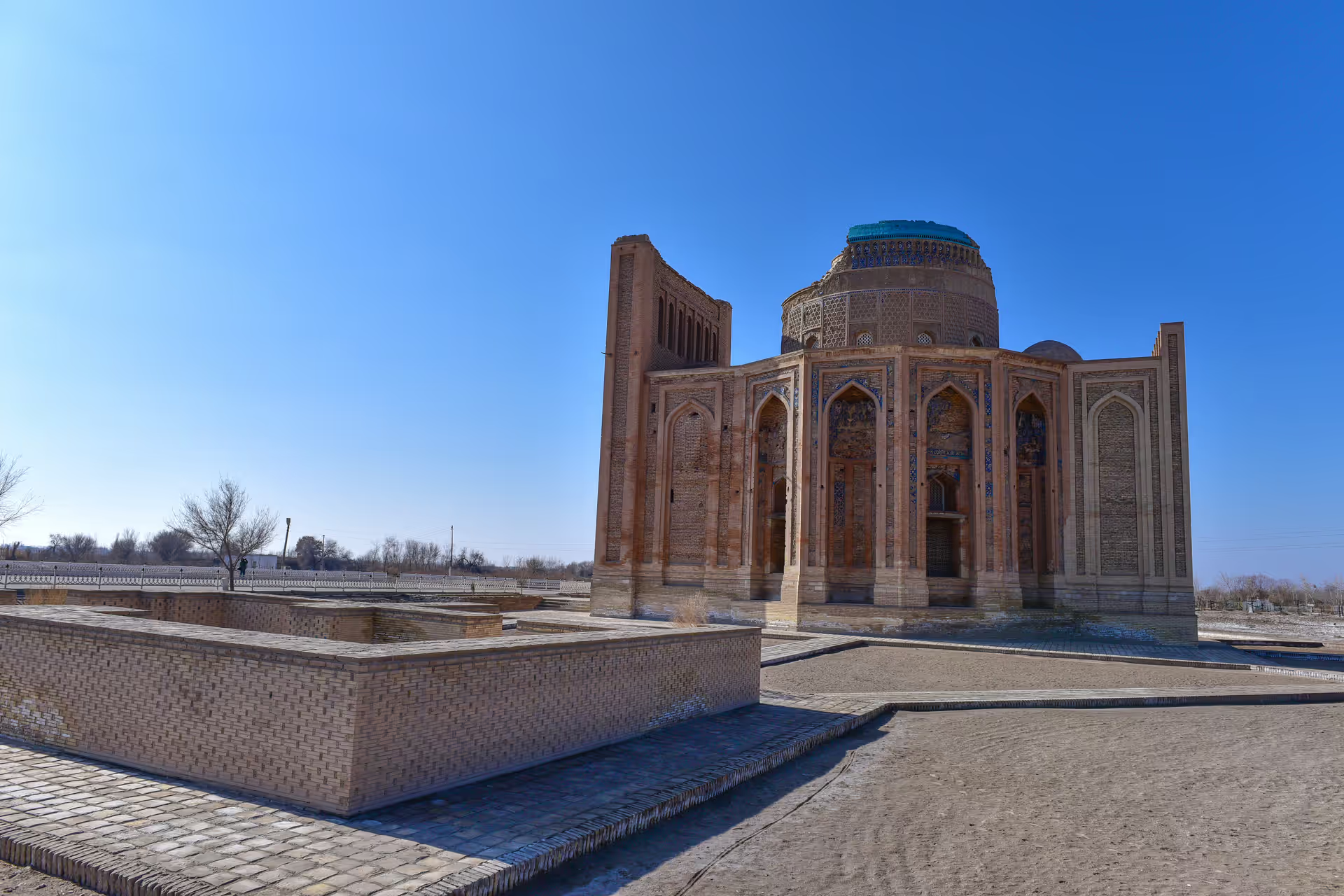
The Mausoleum of Turabek Khanum, located in Köneürgenç, is one of the most exquisite architectural masterpieces of medieval Turkmenistan. It was dedicated to Turabek Khanum, a Mongolian princess, daughter of Uzbek Khan, the ruler of the Golden Horde, and wife of Kutlug Timur, his deputy in Khorezm. Turabek Khanum is remembered as the patroness of women and was later canonized as a saint for her wisdom and compassion.
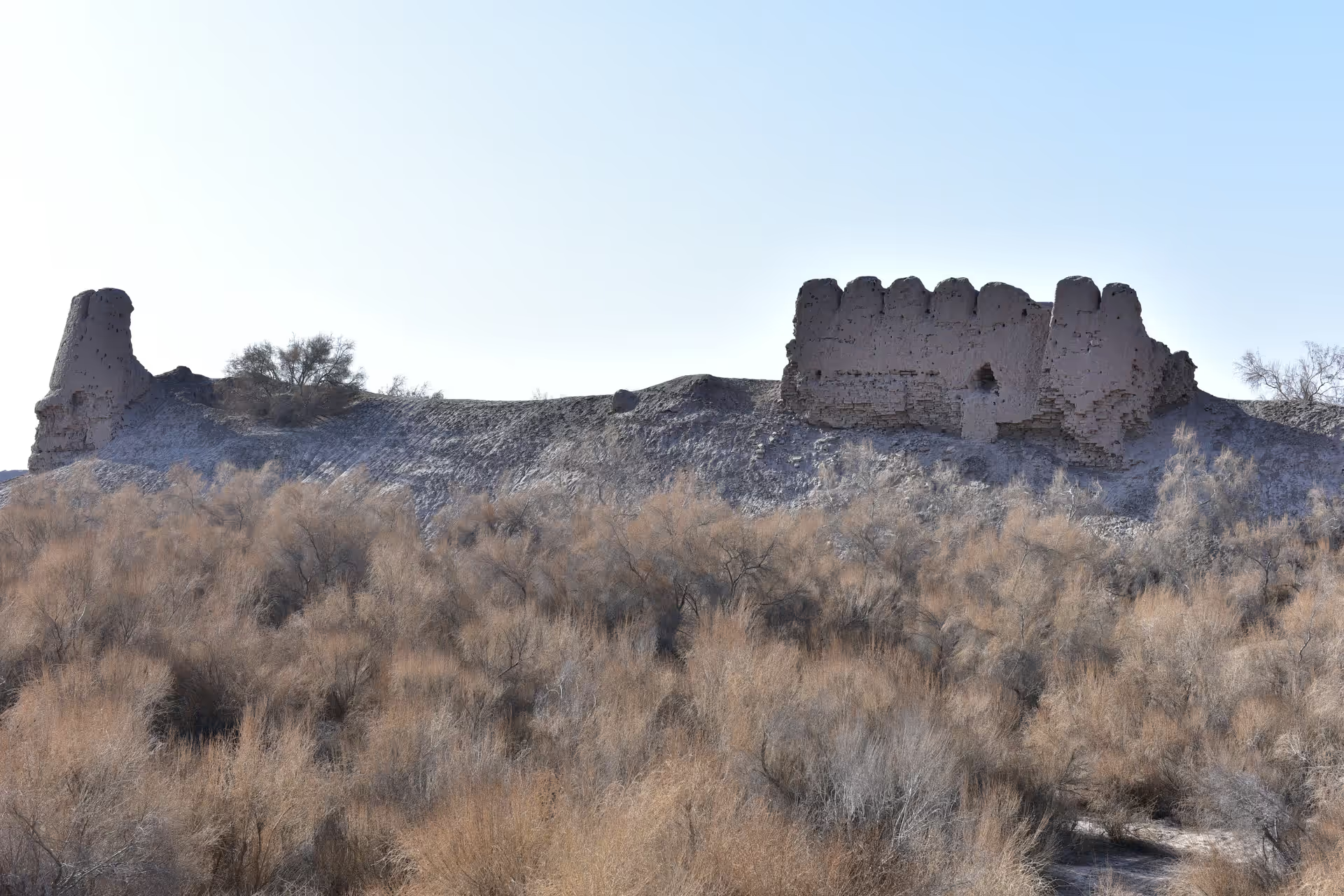
Shasenem Gala (also spelled Shasenem Kala) is an ancient fortress located near Köneürgenç in Turkmenistan’s Dashoguz Region, standing on the vast plains of the northern Karakum Desert. It is one of the most mysterious fortresses of ancient Khorezm, dating back to the 4th–3rd centuries BCE, and is part of the archaeological complex of ancient fortifications that once guarded the frontiers of the Khorezm civilization.
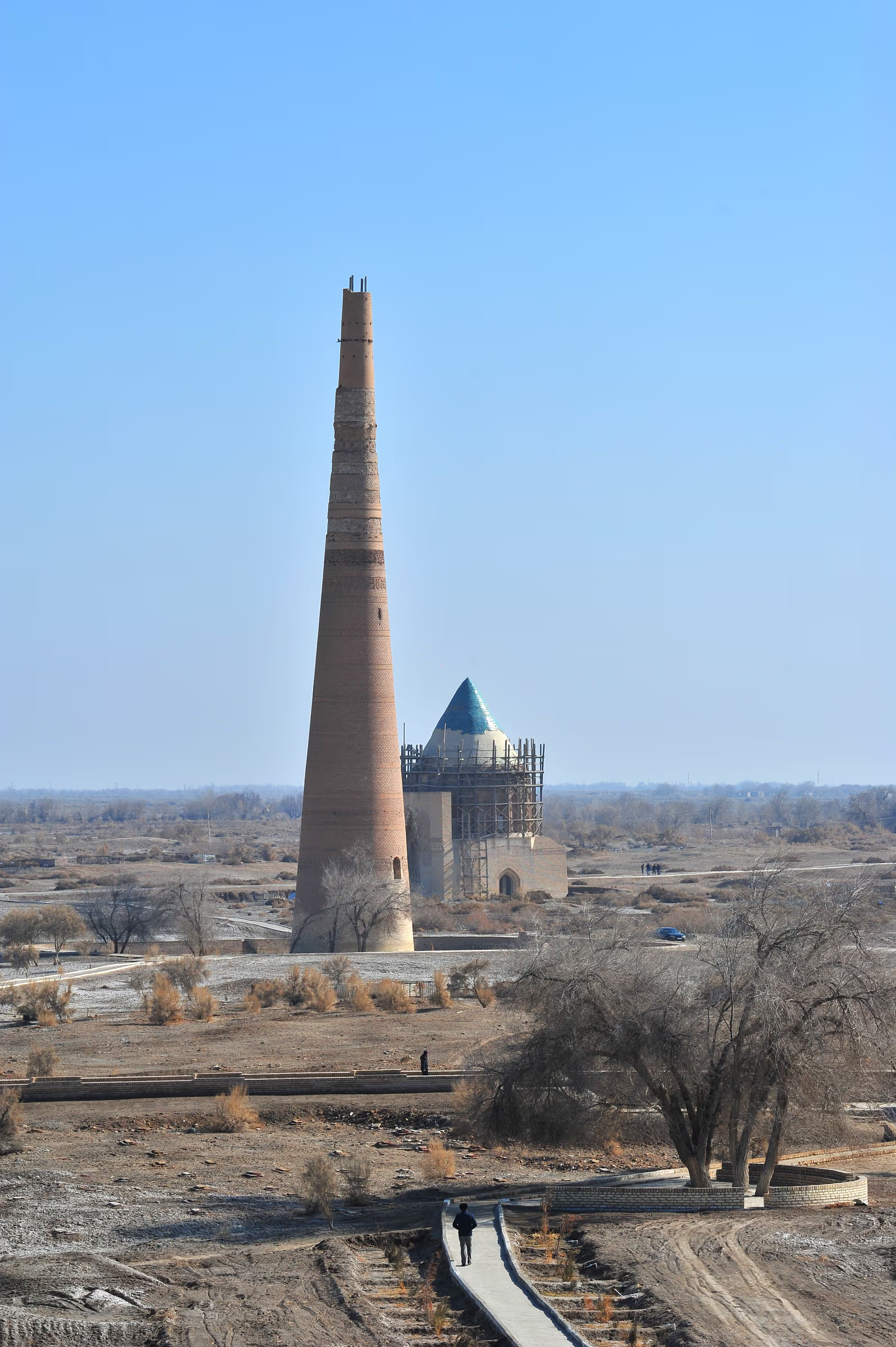
The Kutlug-Timur Minaret (Turkmen: Gutlug Timuryň minarasy) rises proudly over the ancient city of Köneürgenç in northern Turkmenistan’s Dashoguz Region, near the border with Uzbekistan. Originally constructed in 1011 CE during the Khwarezm Shah Dynasty, the minaret stands as one of the tallest and oldest surviving structures in Central Asia — 60 meters high, with a base diameter of 12 meters tapering to 2 meters at the top.
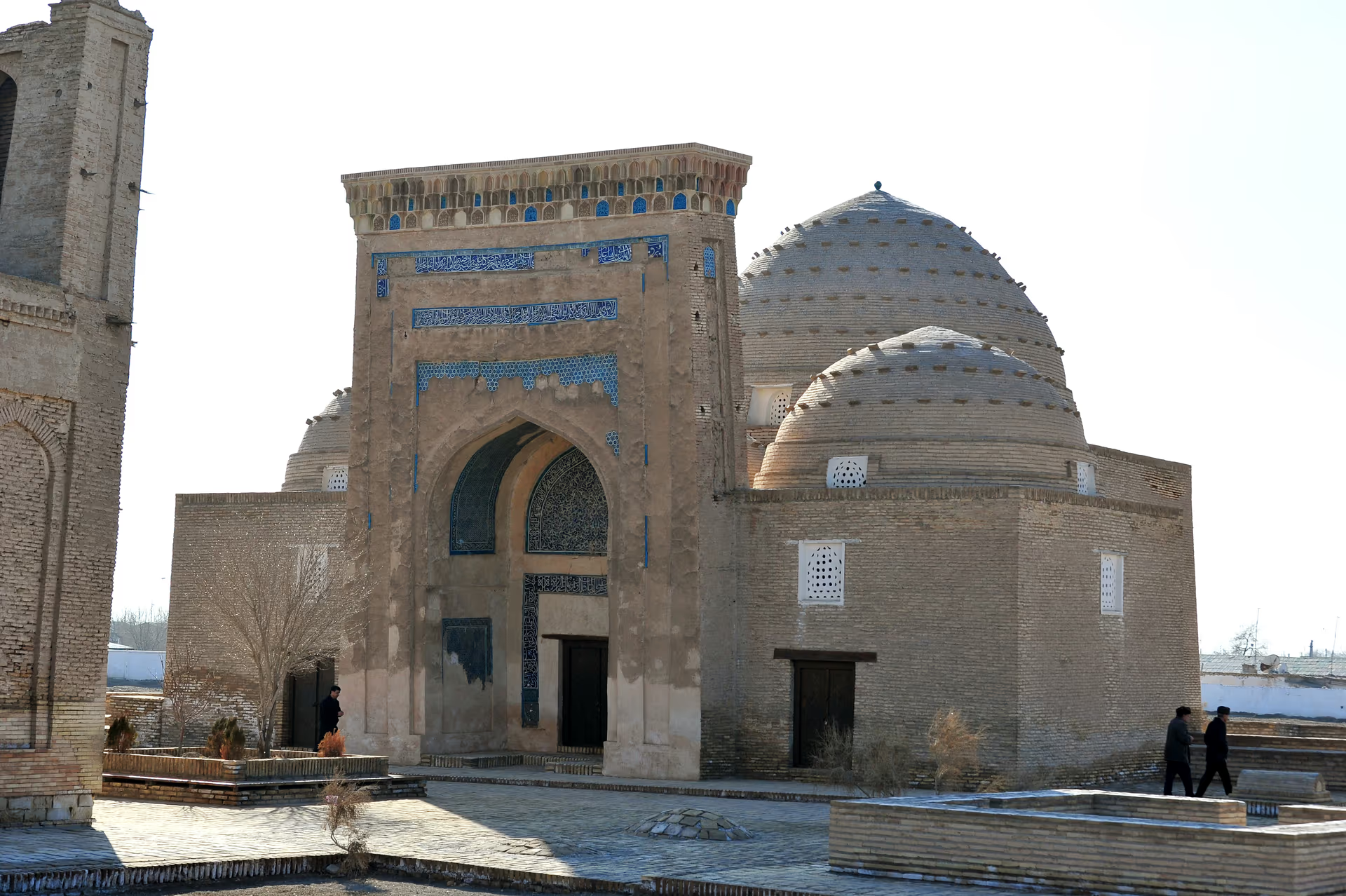
The Mausoleum of Najm al-Din al-Kubra, the revered founder of the Kubrawiya Sufi order, is one of the most sacred monuments in Köneürgenç, located within the “360” memorial complex. This site is considered holy ground, attracting pilgrims from all over the world who come to honor the saint’s memory.
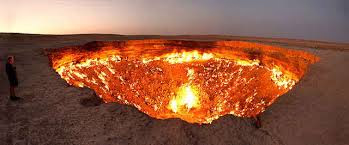
The Darvaza gas crater (Turkmen: Garagum ýalkymy), also known as the Door to Hell or Gates of Hell, officially the Shining of Karakum, is a burning natural gas field collapsed into a cavern near Darvaza, Turkmenistan. Hundreds of natural gas fires illuminate the floor and rim of the crater. The crater has been burning since 1971. Drilling punctured a natural-gas cavern, the cavern’s roof collapsed, and some sources state that engineers ignited the crater to prevent poisonous gases from spreading. The crater is near the village of Darvaza in the middle of the Karakum Desert. Located about 260 kilometres (160 mi) north of Ashgabat, the capital of Turkmenistan, it has a diameter of 60–70 metres (200–230 ft) and a depth of about 30 metres (98 ft). Another nearby gas crater is fenced off and has a distinct odor.
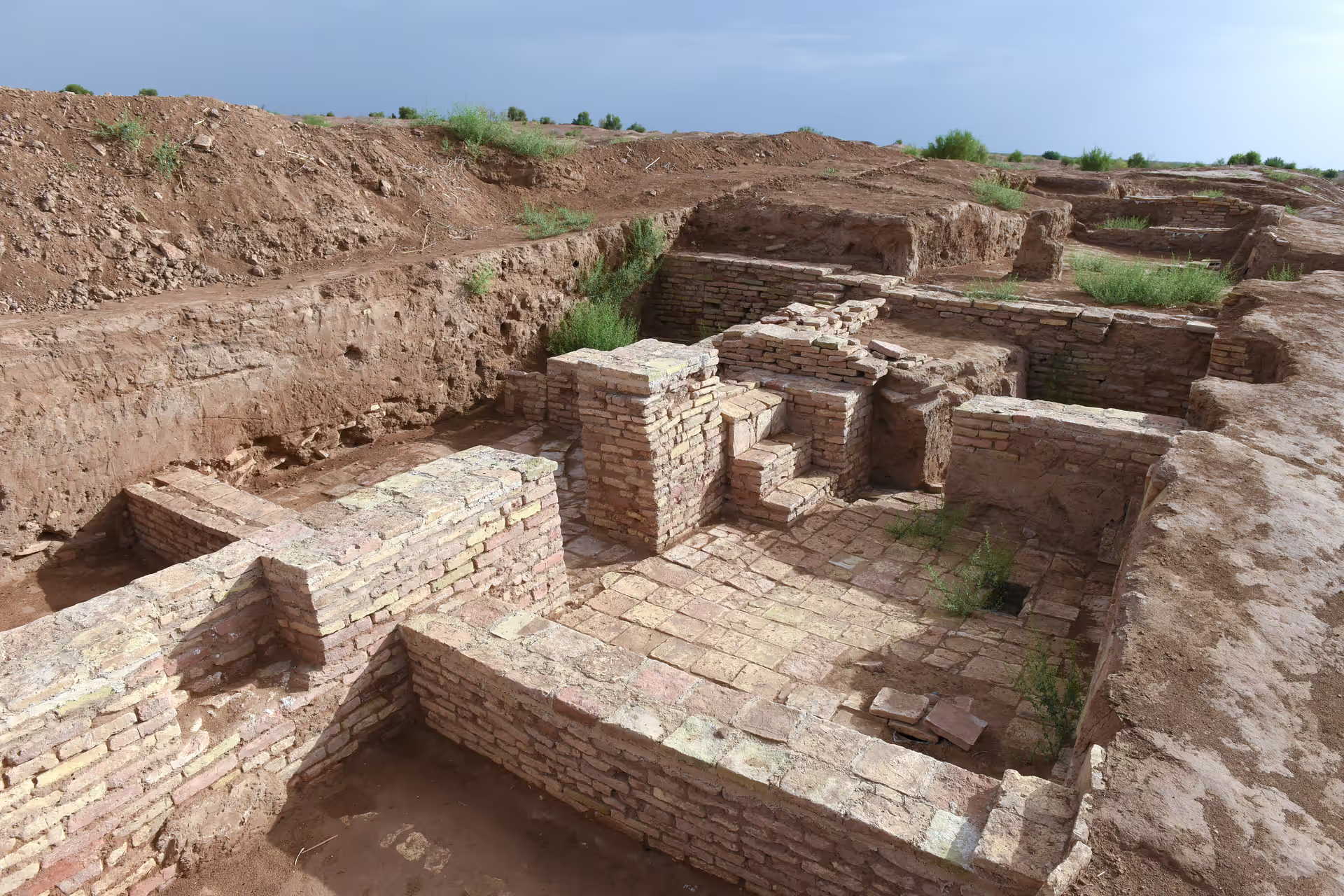
Dandanakan is one of Turkmenistan’s most remarkable archaeological and historical sites, located near the ancient city of Merv in the Mary Region. It was once a fortified city and military stronghold, famous as the site of the Battle of Dandanakan in 1040, where the Seljuk Turks defeated the Ghaznavid Empire — a victory that led to the foundation of the Great Seljuk Empire.
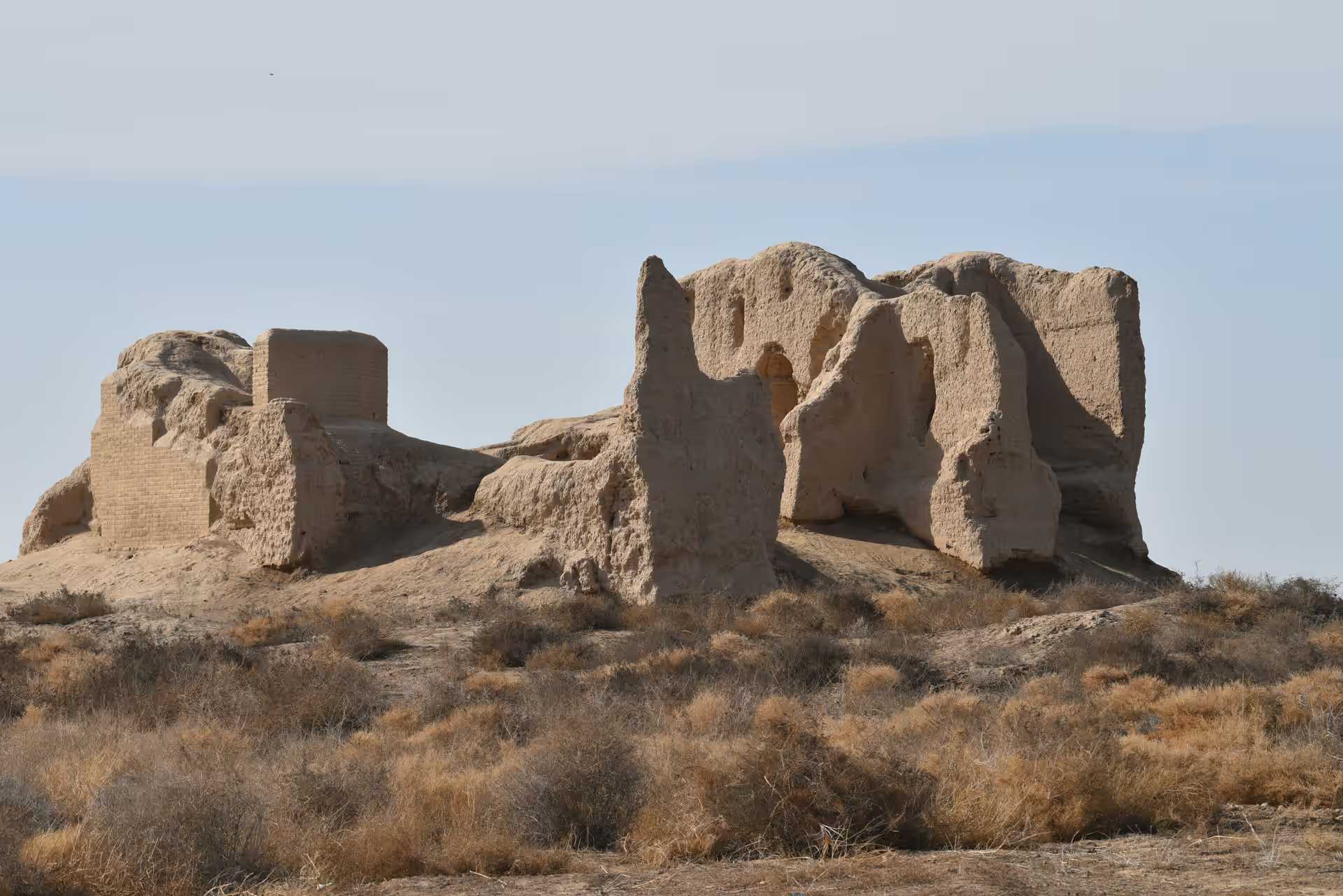
The Uly Gyz Gala (Great Maiden’s Fortress) and Kiçi Gyz Gala (Small Maiden’s Fortress) are two remarkable architectural monuments located near Ancient Merv, on the right bank of the old Hurmuzfarra Canal, west of Soltangala. Dating back to the 6th–7th centuries, these fortresses — also known as the “Palace of Maidens” and the “Palace of Youths” — are among the rare surviving structures from early medieval Merv.
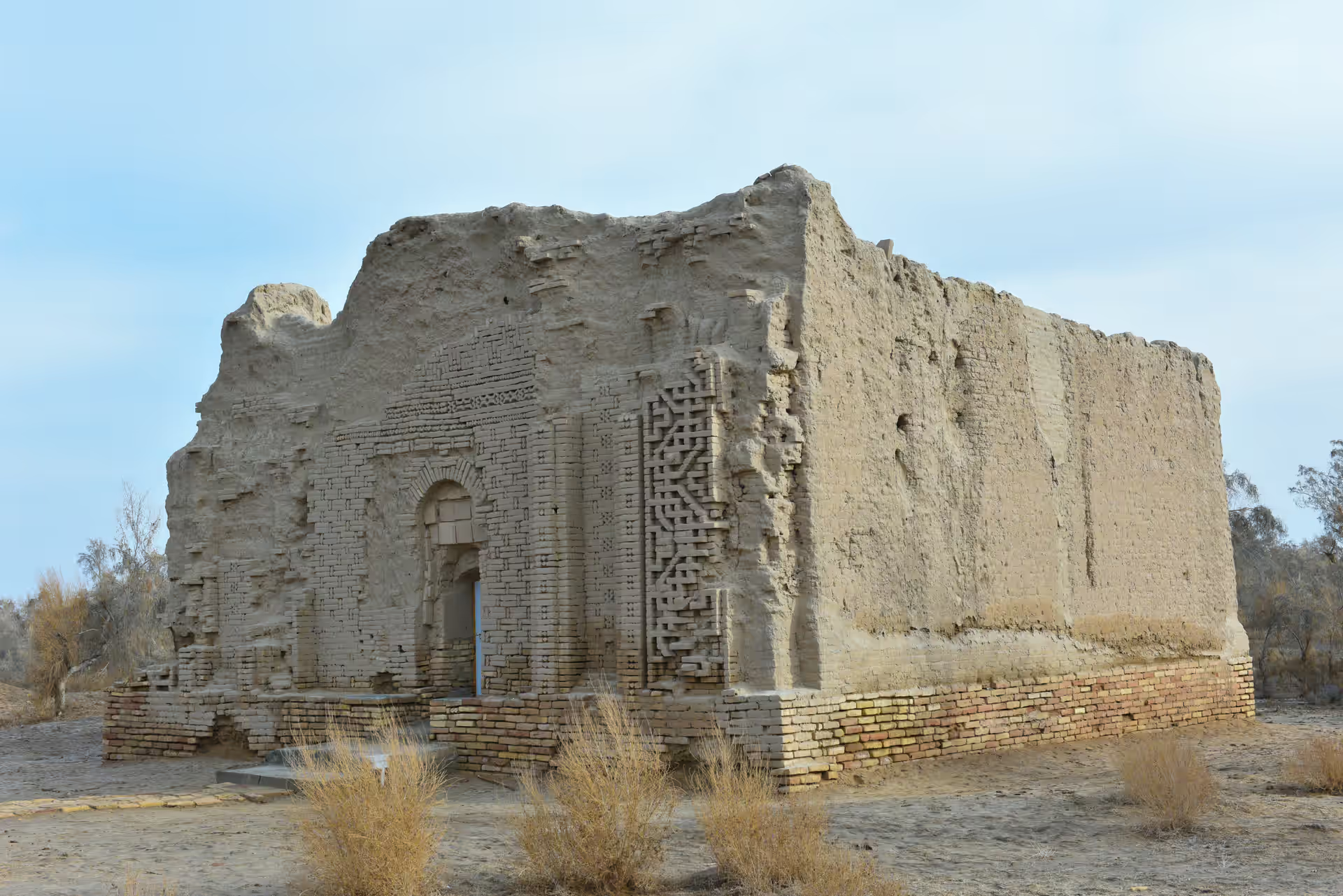
The Mausoleum of Khudaynazar Ovliya, located 25 kilometers north of the ancient city of Sultan Kala in the Mary Region, dates back to the first quarter of the 12th century. It represents the Seljuk era’s spiritual and architectural traditions, belonging to the type of domed mausoleums without portals, distinguished by their elegant brick decoration and precise geometric design.
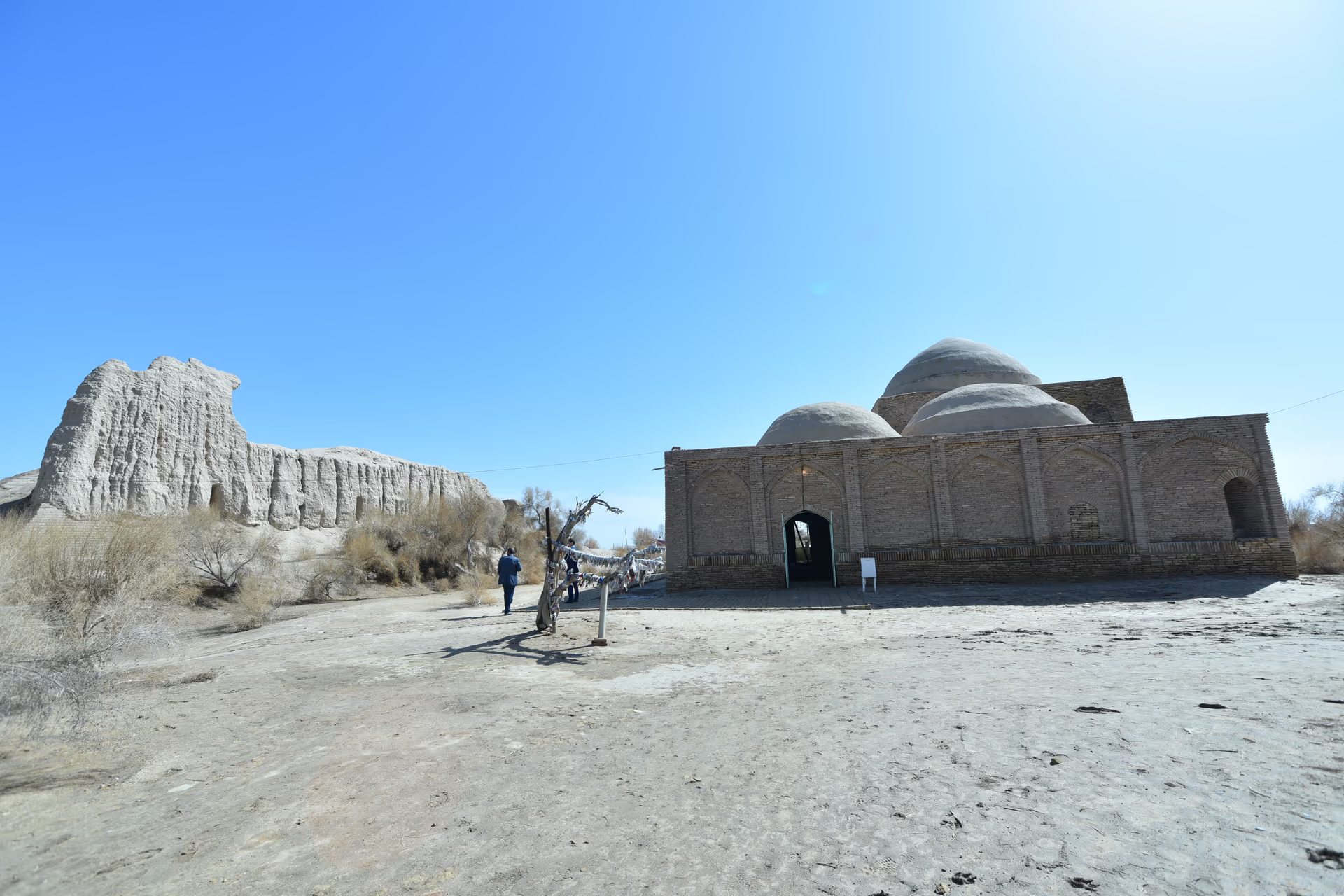
The Muhammad ibn Zayd Mausoleum, located about 1.5 km northwest of the Sultan Sanjar Mausoleum in Ancient Merv, dates to around 1140 CE, during the reign of Sultan Sanjar (r. 1118–1157), the last great ruler of the Seljuk Empire. Although Muhammad ibn Zayd himself lived and died in the early 9th century, this mausoleum was built centuries later as a commemorative shrine by the local Shia community of Merv.
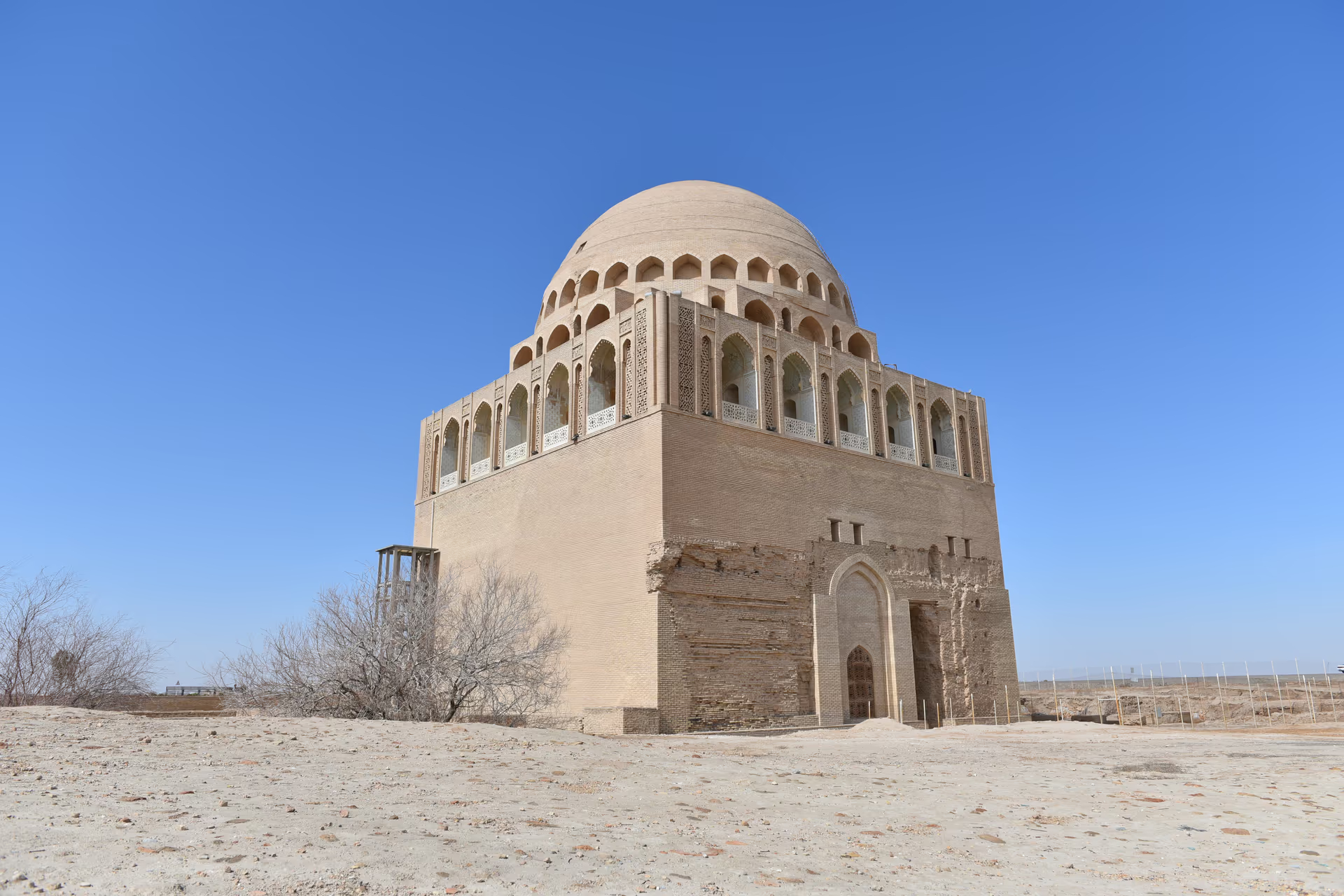
The Mausoleum of Sultan Sanjar, located at the center of Ancient Merv near Mary, is one of the most outstanding monuments of medieval Islamic architecture and the symbol of Turkmenistan’s cultural heritage. It was built around 1157 CE as the resting place of Sultan Ahmad Sanjar, the last great ruler of the Seljuk Empire (r. 1118–1157), who governed a realm stretching from the Amu Darya to the Mediterranean Sea.
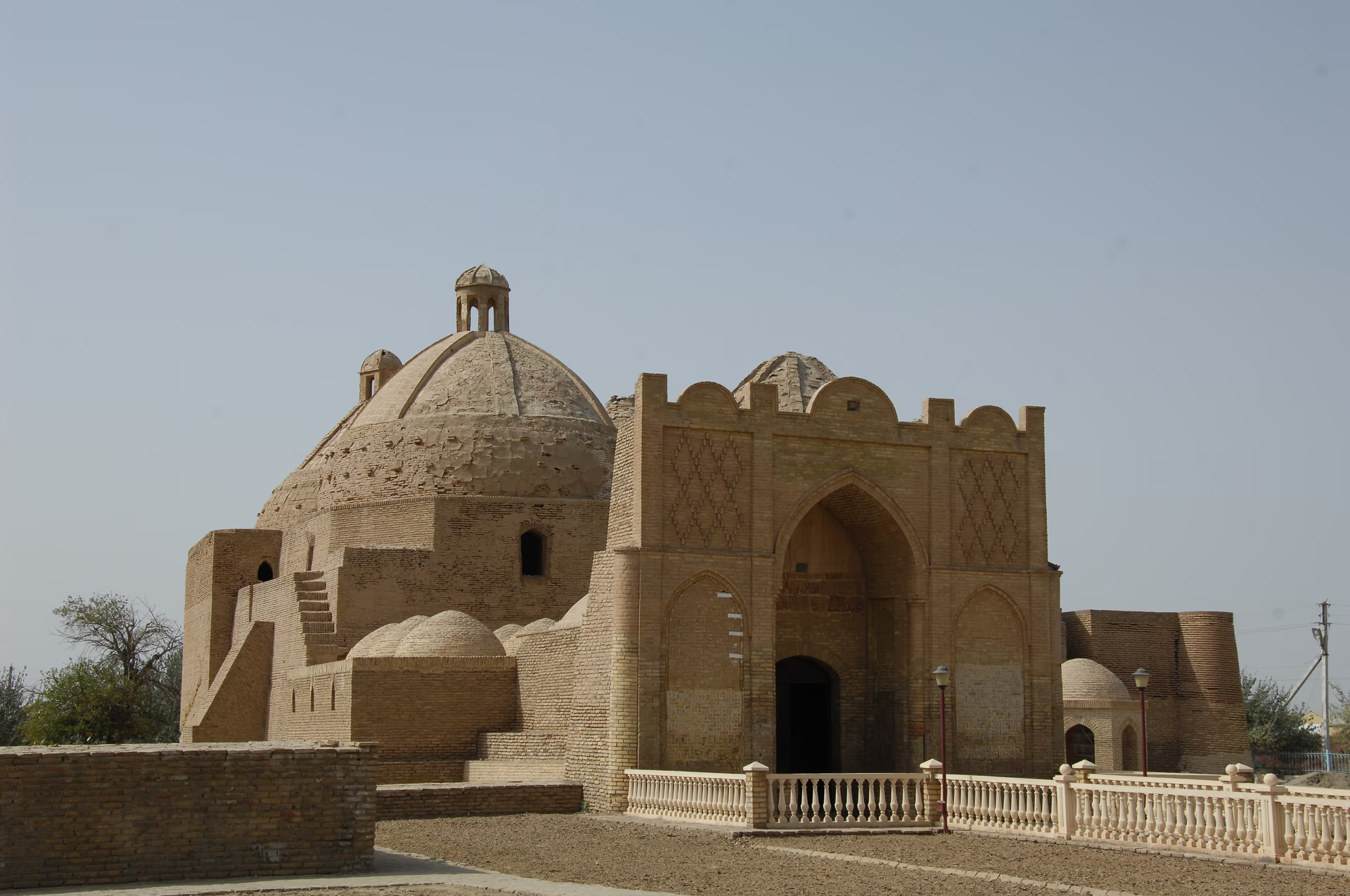
Astana Baba is one of the most revered religious and architectural monuments of Turkmenistan, located near the city of Kerki in the Lebap Region. It is a mausoleum complex, believed to have been built between the 11th and 12th centuries, and is one of the most beautiful examples of early Islamic architecture in Central Asia.
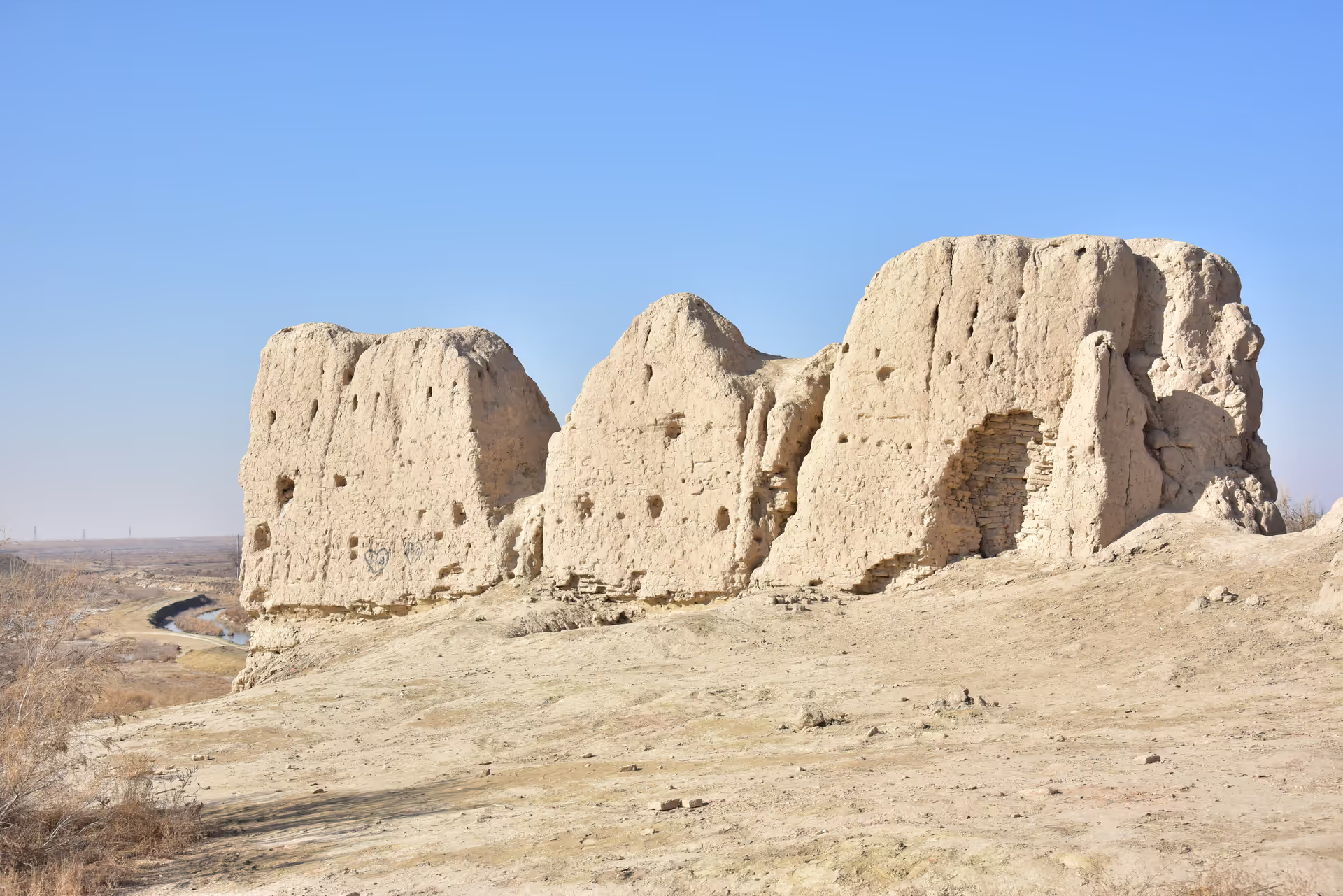
Dargan Gala, located about 4.5 km southeast of Darganata town in the Lebap Region, is one of Turkmenistan’s most remarkable medieval archaeological sites. The fortress, covering around 8 hectares, dates back to the 7th–8th centuries and once stood as a thriving city on the banks of the Amu Darya River.
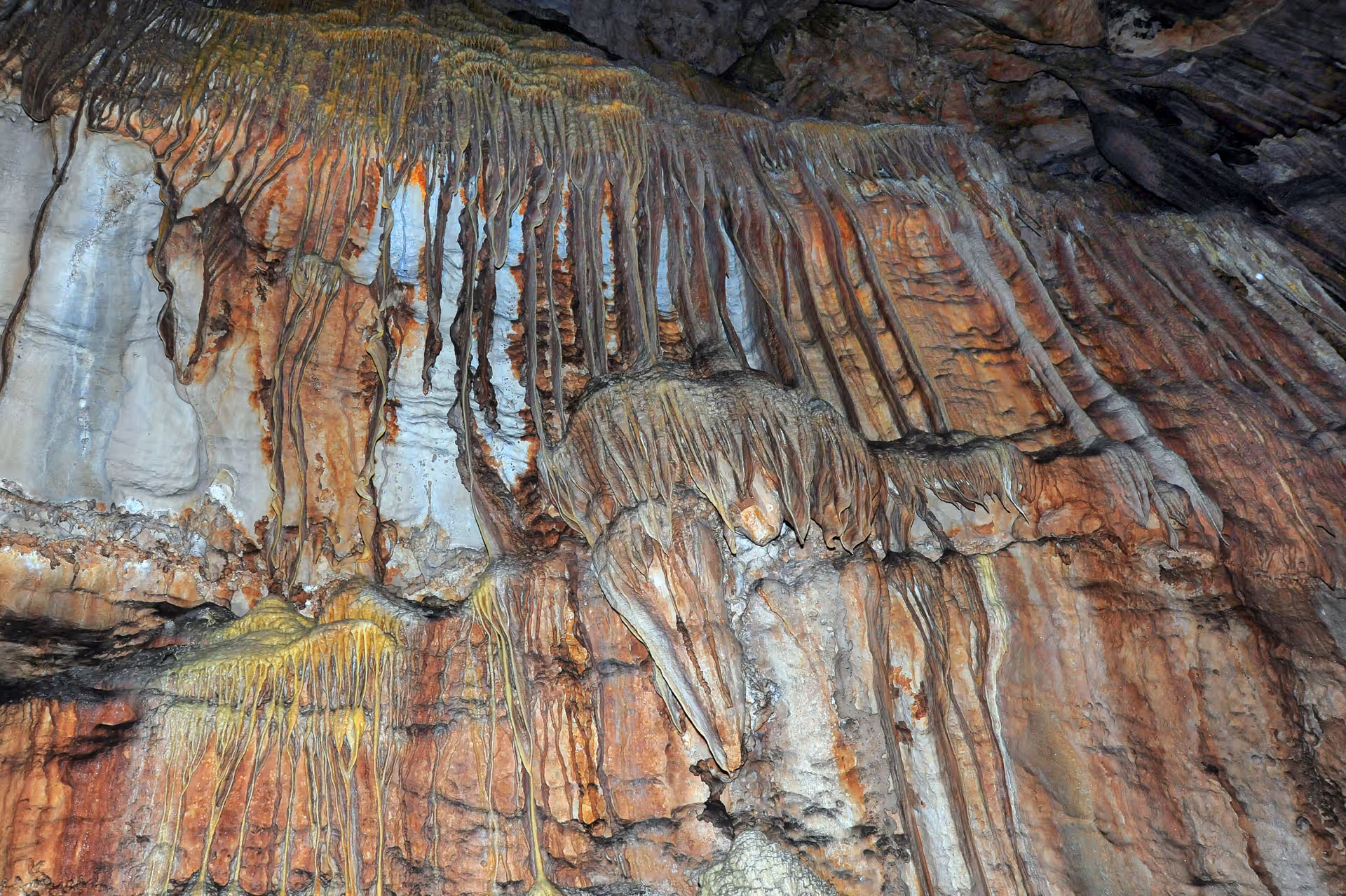
The Köýtendag Mountains (also known as Kugitangtau) form one of the most spectacular natural regions of Turkmenistan, located in the far eastern Lebap Region, along the border with Uzbekistan. The name Köýtendag means “mountains of deep canyons”, perfectly describing this dramatic landscape carved by steep ravines and cliffs where the sky appears as a narrow ribbon overhead.
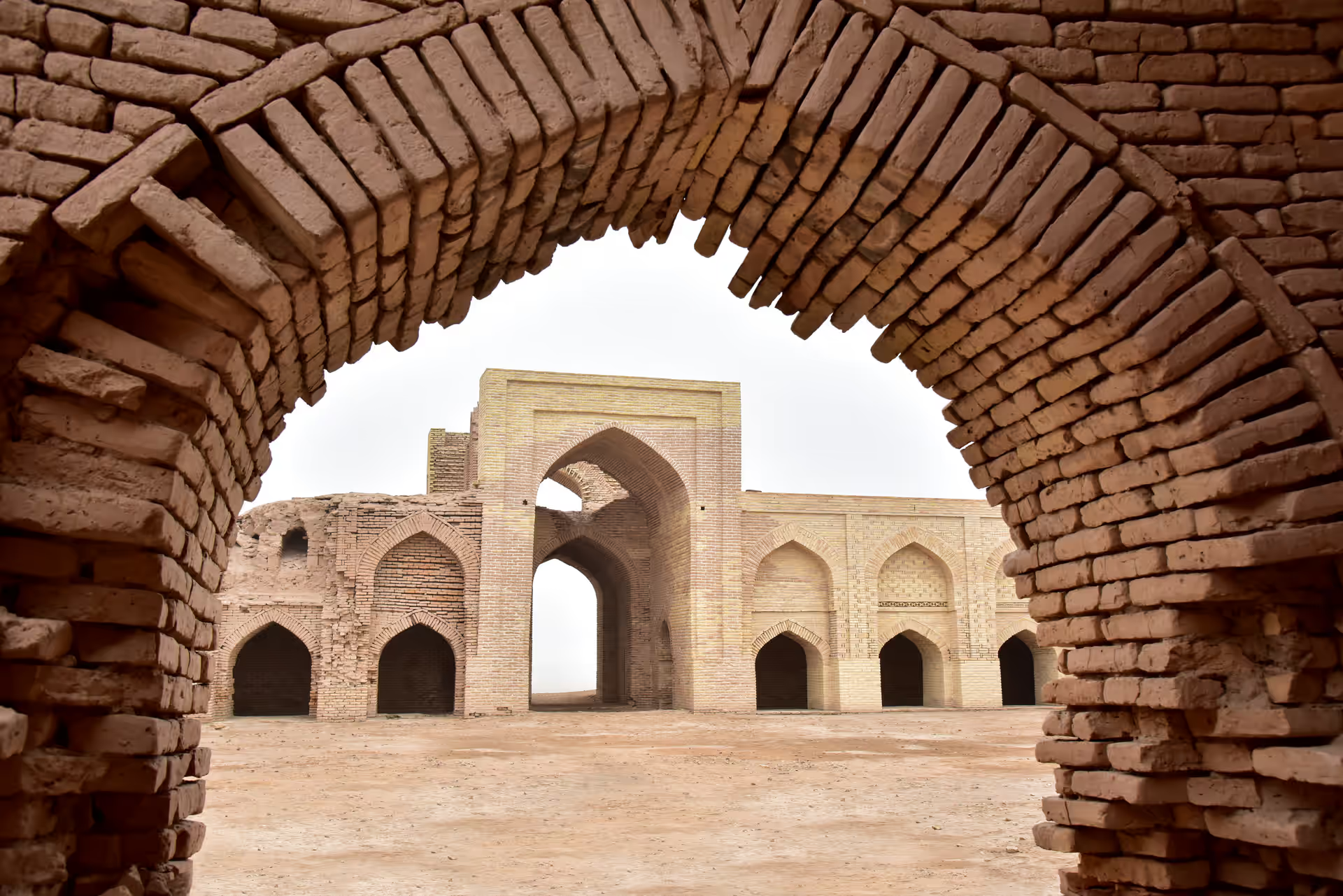
Dayahatyn (also known as Dayakhatyn, Daya-Khatyn, or Bay Khatyn in folk legends) is a magnificent medieval caravanserai located on the left bank of the Amu Darya River, about 170 km northwest of Türkmenabat in the Lebap Region.